Updates: My 2022 in Review (Best SF Novels, Best SF Short Fiction, and Bonus Categories)

2022 was the single best year in the history of my site for visits and unique viewers!

As I mention year after year, I find reading and writing for the site—and participating in all the SF discussions generated over the year—a necessary and greatly appreciated salve. Whether you are a lurker, occasional visitor, or a regular commenter, thank you for your continued support.

Continuing a trend from 2021, I read only a handful of novels this year. Instead, I devoted my obsessive attention to various science short story review initiatives (listed below), anthologies, and histories of the science fiction genre. Without further ado, here are my favorite novels and short stories I read in 2022 with bonus categories. Descriptions are derived from my linked reviews.

Check out last year’s rundown if you haven’t already for more spectacular reads. I have archived all my annual rundowns on my article index page if you wanted to peruse earlier years.


My Top 5 Science Fiction Novels of 2022 [TITLES LINK TO FULL REVIEWS]
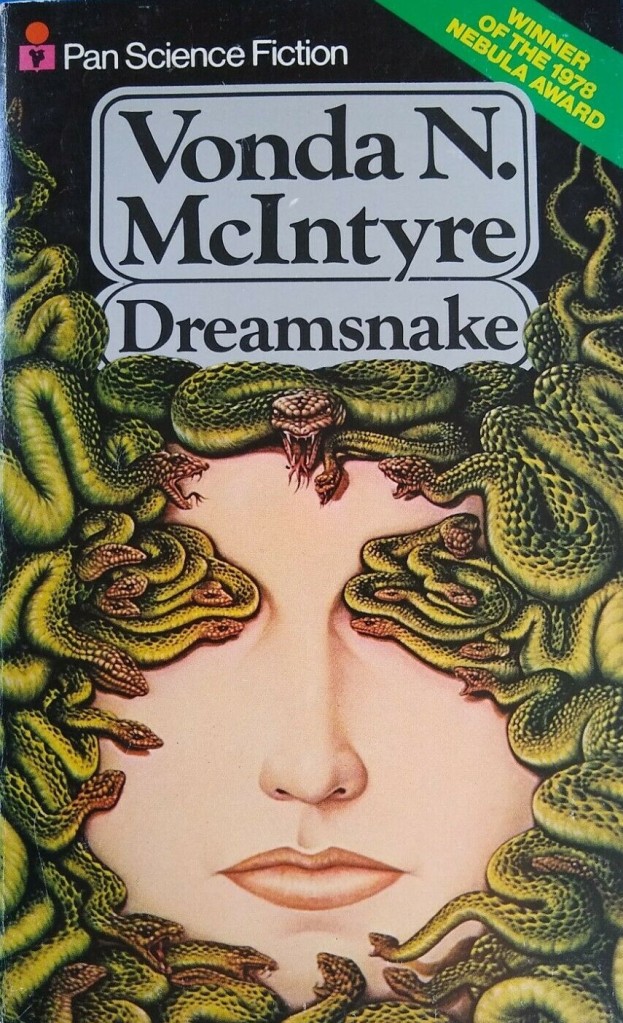
1. Vonda N. McIntyre’s Dreamsnake (1978), 4.75/5 (Near Masterpiece): Won the 1979 Hugo, Locus, and Nebula Award for Best Novel. Snake journeys across the post-apocalyptic wastes of a future Earth with three serpents healing the sick and caring for the dying. She is a member of the healers, who adopt orphans and rescue the oppressed and train them how to use the serpents. Mist and Sand are genetically modified vipers of terrestrial origin. But Grass comes from another alien world. Snake uses Mist and Sand’s venom to create vaccines, treat diseases, and cure tumors. Grass, the rare dreamsnake, with its alien DNA is the most important of them all–it provides therapeutic pleasure and dreams that facilitate conquering one’s fear and healing in the ill. In Snake’s voyages, she encounters prejudice and violence. A joyous sense of sexual freedom permeates the proceedings. A powerful and different take on a post-apocalyptic worldscape in every possible way.

Continue reading
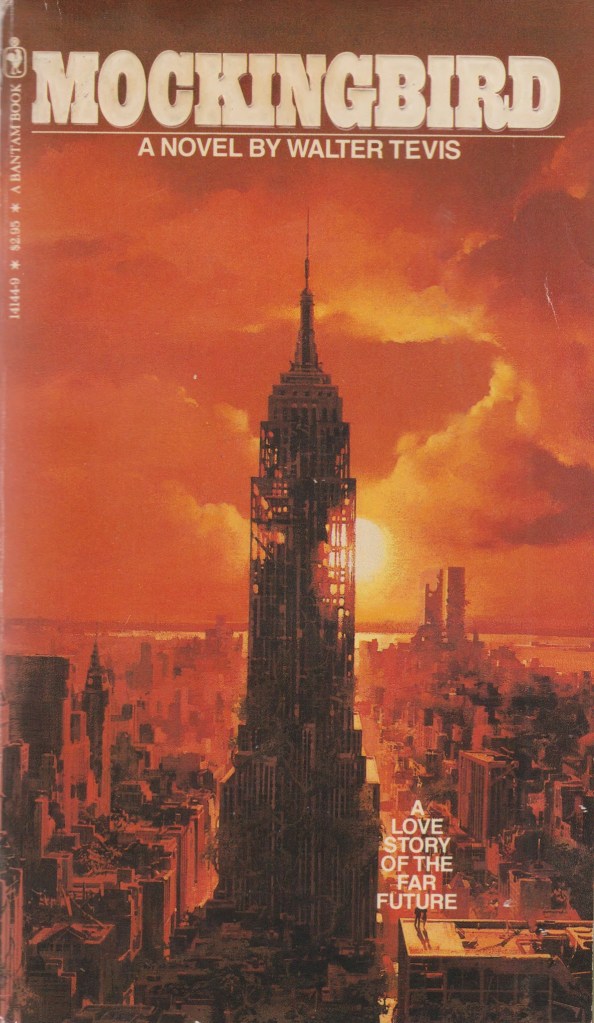
Book Review: Mockingbird, Walter Tevis (1980)

4.5/5 (Very Good)

William Tevis’ Mockingbird (1980) is a paean to the power of reading. Possessed by an encyclopedic adoration for silent films and books of all genres, Tevis creates a rich textual substate in which his characters pin together the true nature of their world. For more on the situation in Tevis’ life that prompted him to write Mockingbird–his experiences teaching and his own attempts to defeat alcoholism–and his relationship to science fiction, check out James Sallis’ review in The Magazine of Science Fiction and Fantasy.

The World

In a rapidly depopulating world, the last humans live a medicated life. Successful indoctrination programs of privacy and individuality with catch phrases like “Don’t ask-relax” (24) and “Alone is best” (26), have deprived the masses from the desire to learn or interact with each other. Paul and Mary Lou might be the “last generation of children, ever” (32). Tevis lays out the reasons for depopulation as follows: “1. Fears of overpopulation 2. The perfection of sterilization techniques 3. The disappearance of the family 4. The widespread concern with “inner” experiences 5. A loss of interest in children 6. A widespread desire to avoid responsibilities” (145).

Continue reading

Updates: Recent Mostly Apocalyptic Science Fiction Acquisitions No. CCXXIX (Nevil Shute, Walter Tevis, Philip McCutchan, and Lawrence Watt-Evans)

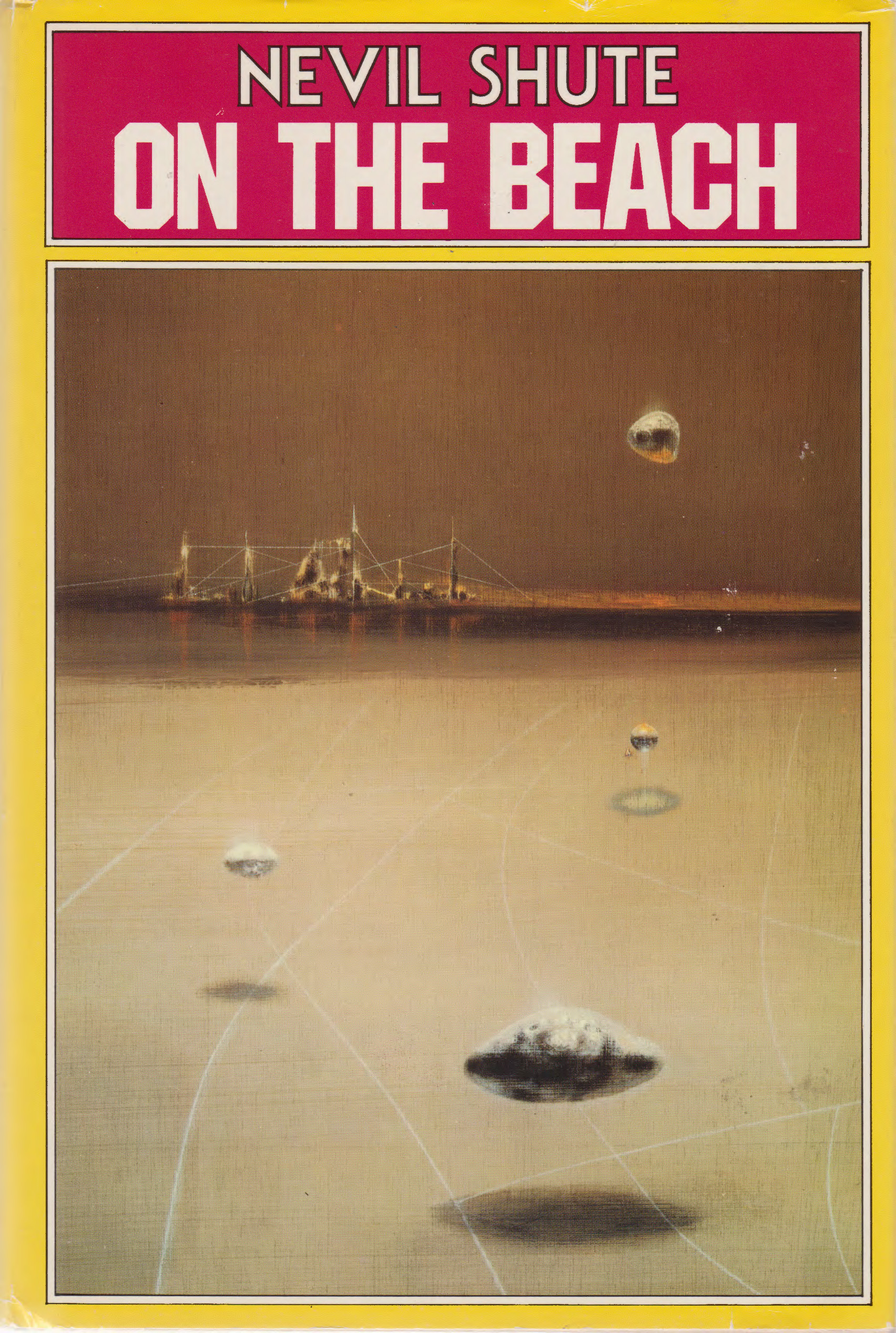
1. I’m finally the owner of one of the 50s/60s post-apocalyptic novels…. I suspect the 1959 film adaptation of Nevil Shute’s On the Beach (1957), which I did not enjoy, was the reason I’ve taken so long to acquire a copy.

It’ll fit neatly into my recent themed review sequence:

2. A far lesser known UK post-apocalyptic novel–SF Encyclopedia compares Philip McCutchan’s A Time for Survival (1965) to the relentless despair of Cormac McCarthy’s The Road (2006

3. I’ve yet to read any of Walter Tevis’ SF–I’ve acquired his post-apocalyptic novel Mockingbird (1980).

4. And finally, the least-known quantity of this post…. an impulse buy (SF and noir is a fun combo) at my local Half Price.

Let me know what books/covers intrigue you. Which have you read? Disliked? Enjoyed?

~

1. On the Beach, Nevil Shute (1957)

(Richard Powers’ cover for the 1986 edition) Continue reading