Nektar, an English band founded in Germany, is another virtually forgotten group restricted mostly to the more esoteric of psychedelic music circles. Their debut album, Journey to the Center of the Eye (1972), is sci-fi themed throughout (I’ll post more songs over the coming weeks). ‘Astronauts Nightmare’ is my favorite of the Continue reading
1970s
Update: Sci-fi about the social ramifications of overpopulation, a call for suggestions


I need reading suggestions.
After reading John Brunner’s Hugo winning masterpiece Stand on Zanzibar (1968) a few years back I became entranced by science fiction exploring social themes (intelligently) extrapolated from a future Earth condition of extreme overpopulation. In the recent months I’ve read and reviewed a glut of similarly themed works of uneven quality. Many of these works were inspired by Paul and Anne Ehrlich’s non-fiction The Population Bomb (1968) which warned of the mass starvation of humans in the 1970s and 1980s as a result of overpopulation. Continue reading
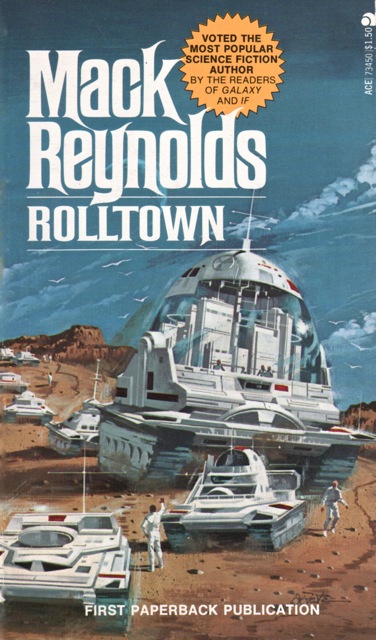
Book Review: Rolltown, Mark Reynolds (1976)
2/5 (Bad)
Mack Reynolds’ Rolltown (1976) takes place a few decades in the future where democracy has devolved into a meritocracy. The United States has a huge database for every individual and jobs are given based on IQ scores, etc. The most intelligent people get to vote. However, because of the meritocracy all racial tension Continue reading
Update: Recent Science Fiction Acquisitions N. III
1. The Complete Stories of J. G. Ballard, J. G. Ballard (2009)

My girlfriend gave me this MASSIVE (1196 pages) newly released volume of all of Ballard’s short stories (arranged in chronological order) for my birthday. I’m extremely excited because I enjoyed my first Ballard work, High-Rise (1975). Does anyone have a particular story which I should start with? Continue reading
Book Review: The Missionaries, D. G. Compton (1972)
 1/5 (Drivel)
I’m often distracted by the smell of old paperbacks — I’d like to imagine there’s a direct correlation between how much I’m distracted to how bad it is — which would make reviewing easier. Perhaps how strongly I’m compelled to write about the smell should be considered an indicator Continue reading
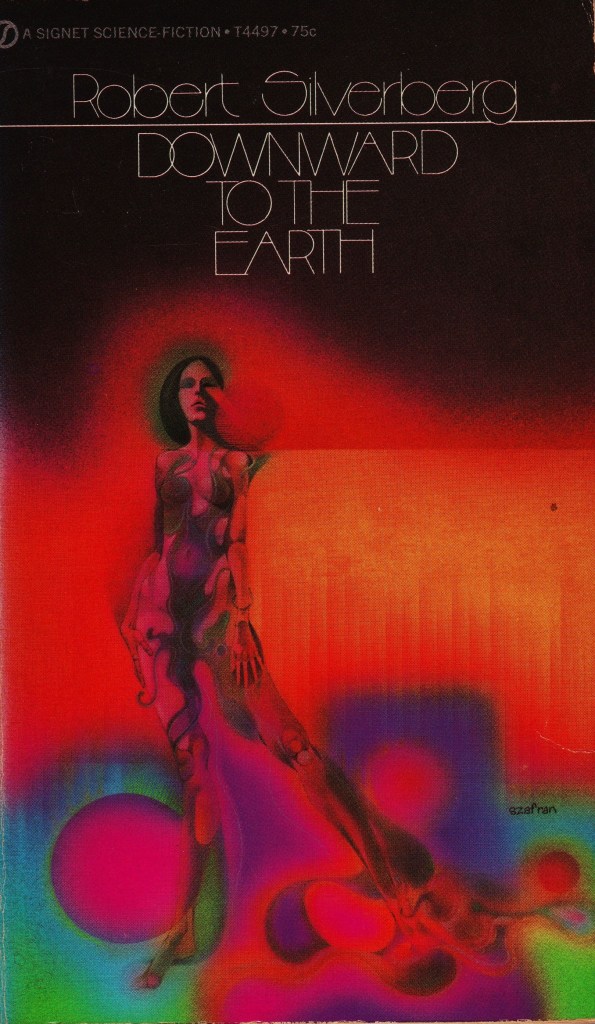
Book Review: Downward to the Earth, Robert Silverberg (1970)
Gene Szafran
4.75/5 (Very Good)
1971 Nebula Nominated Novel (Silverberg declined the nomination)
The first two-thirds of Robert Silverberg’s masterpiece Downward to the Earth (1970) is easily in the pantheon of the best sections of a science fiction book I’ve ever read. I found it emotionally engaging and often downright nerve-racking, moody and disturbed, and engages in an intelligent and poignant manner with the issue of de-colonization which was coming to the fore in the 1960s.
Continue readingA Film Rumination: Sidney Lumet (June 25, 1924-April 9, 2011) and mini-reviews of the films of his I’ve seen
The great American director Sidney Lumet (1924-2011) passed away today and in honor of his long and productive career (albeit with brief lulls of average work) here are a few mini-reviews of the films of his I’ve seen in order of preference. I’ve not seen many of his acknowledged masterpieces including Serpico, The Hill, Long Day’s Journey Into Night, The Pawnbroker, etc.
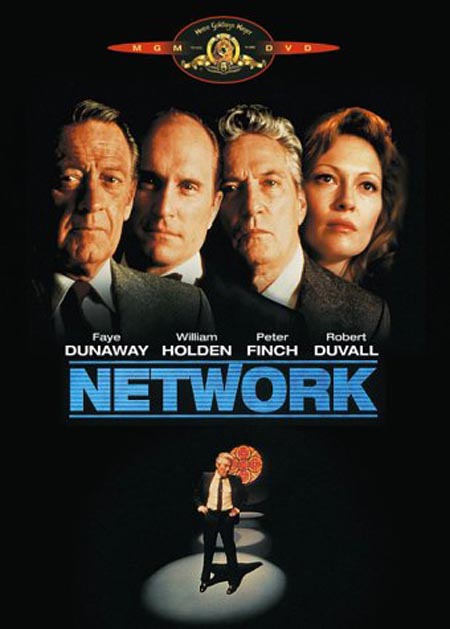
1. Network (1976)
9.5/10 (Masterpiece)
Network (1976) is by far my favorite Sidney Lumet film Continue reading
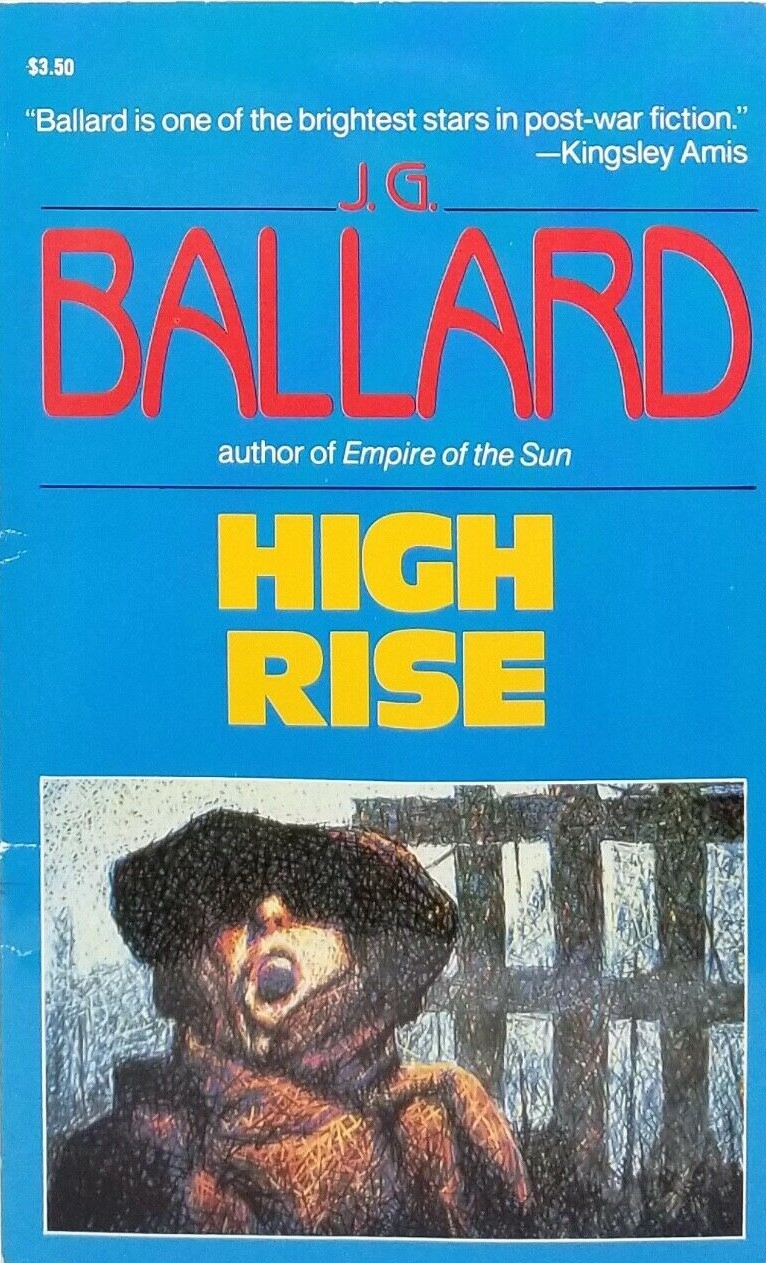
Book Review: High-Rise, J. G. Ballard (1975)
4.5/5 (Very Good)
J. G. Ballard’s High-Rise (1975) is a fascinating yet relentlessly mono-thematic novel inspired by the effects of class conflict and urbanization on society drawing on some ideas explored in earlier SF masterpieces such as John Brunner’s Stand on Zanzibar (1969) and Silverberg’s The World Inside (1971) (both of which I prefer to High-Rise). Continue reading
Science Fiction Inspired Song: Hawkwind’s ‘Damnation Alley’ (1977)
Hawkwind’s ‘Damnation Alley’ from the album Quark, Strangeness and Charm (1977) was inspired by Roger Zelazny’s novel Damnation Alley (1967) — which chronicles a suicidal voyage (in an armored vehicle) across post-apocalyptic America Continue reading
 Science Fiction and Other Suspect Ruminations