What pre-1985 science fiction are you reading? + Update No. XXVII

What pre-1985 science fiction are you reading or planning to read next month? Here’s the October installment of this column.

If I’m feeling a bit unmotivated to write about science fiction, I always end up on Fanac or another online repository of fanzines/newspapers exploring all the old historical fannish debates. I especially enjoy their reports on various conventions and the community (from accepting to reactionary) that emerges. For example, the details I uncovered about a lost Philip José Farmer speech titled “SF and the Kinsey Report at the 11th World Science Fiction Convention (Philcon 2) in Philadelphia (September 1953) and Pat M. Kuras and Rob Schmieder’s article “When It Changed: Lesbians, Gay Men, and Science Fiction Fandom” (1980) on the first Worldcon panel with an openly LGBTQ topic: “The Closed Open Mind: Homophobia in Science Fiction Fantasy Stories” moderated by Jerry Jacks, one of the “early openly gay fans.” I recently edited a friend’s article for academic publication on the role of conventions in forming feminist and political activism. Conventions sound like fascinating places, at least from my historically-minded vantage point and lens.

Continue reading
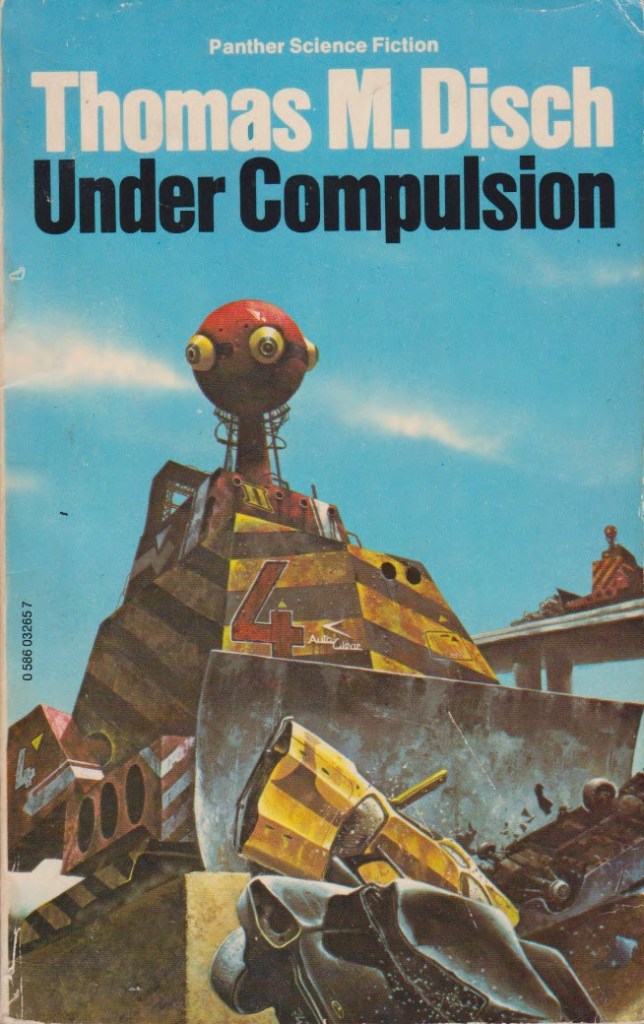
Updates: Recent Science Fiction Purchases No. CCCXXVII (Thomas M. Disch, Doris Piserchia, Ian Watson, and an anthology)

Which books/covers/authors intrigue you? Which have you read? Disliked? Enjoyed?

1. Under Compulsion (variant title: Fun with Your New Head), Thomas M. Disch (1968)

From the back cover: “A BLACK BANQUET OF PURE DISCH

A part-human, part-electronic brain going slowly mad in the Venus jungle.

The last man on earth rejecting the last woman.

A Russian astronaut looking for a good reason to die on the moon.

A chilling glimpse of a 21st century America where war is peace, freedom is slavery and ignorance is strength–and they like it like that.

Continue reading

Short Story Reviews: Kate Wilhelm’s “Ladies and Gentlemen, This Is Your Crisis” (1976) and Langdon Jones’ “The Empathy Machine” (1965)

Today I’ve reviewed the twenty-sixth and twenty-seventh story in my series on the science fictional media landscape of the future. In Kate Wilhelm’s masterpiece of blue-collar drama “Ladies and Gentlemen, This Is Your Crisis” (1976), reality TV serves both as domestic irritant and therapy. Langdon Jones, in “The Empathy Machine” (1965), also speculates on the therapeutic aspects of “viewing” the crisis of another in a media-drenched future.

As always, if you know of other stories connected to this series that I haven’t reviewed, then let me know in the comments!

Previously: Richard Matheson’s “Through Channels” (1951) and Robert F. Young’s “Audience Reaction” (1954)

Up Next: Henry Kuttner’s “Year Day” (1953)

5/5 (Masterpiece)

Kate Wilhelm’s “Ladies and Gentlemen, This Is Your Crisis” first appeared in Orbit 18, ed. Damon Knight (1976). You can read it online here if you have an Internet Archive account. I read it in her collection Somerset Dreams and Other Fictions (1979).

Lottie comes home from the factory Friday afternoon with “frozen dinners, bread, sandwich meats, beer” to prepare for the weekend watching reality TV with her husband Butcher (121). As predicted, Butcher comes home mad, “mad at his boss because the warehouse didn’t close down early, mad at traffic, mad at everything” (123). He pulls up his recliner–they’ll sleep in front of the softly flickering screens–Lottie microwaves the dinners and brings her husband beer. The ritual commences.

Continue reading

Short Story Reviews: Ward Moore’s “Lot” (1953) and Langdon Jones’ “I Remember, Anita…” (1964)

My series on 1950s stories on sex and sexuality finds itself relentlessly drawn back to the well-trodden post-apocalyptic wasteland. New moralities are inscribed and ritualized in the wreckage. As Paul Brians points out in Nuclear Holocaust: Atomic War in Fiction, 1895-1984 (1987), authors in the 1950s and 60s demonstrate an obsession with the sex in the post-holocaust landscape as if they are “feverishly battling atomic thanatos with eros” [note 1]. Here I have paired two moments that dance around either side of the nuclear nightmare. Langdon Jones’ “I Remember, Anita…” (1964), the most controversial story from the early issues of Michael Moorcock’s New Worlds, explores an intense love affair in the moments before and after impact. Ward Moore’s shocker “Lot” (1953) charts the moments after impact as the masses flee from the city.

Previously: Fritz Leiber’s “The Ship Sails at Midnight” (1950) and Theodore Sturgeon’s “The Sex Opposite” (1952)

Up next: Damon Knight’s “Not With a Bang” (1950)

If any stories on 1950s stories on sex and sexuality come to mind that I haven’t read yet let me know in the comments. I have a substantial list waiting to be covered but I suspect it’s far from comprehensive.


4.5/5 (Very Good)

Ward Moore’s “Lot” first appeared in The Magazine of Fantasy and Science Fiction, ed. Anthony Boucher and J. Francis McComas (May 1953). You can read it online here.

Continue reading

Book Review: The Best SF Stories from New Worlds 6, ed. Michael Moorcock (1970) (stories by J. G. Ballard, Hilary Bailey, Carol Emshwiller, M. John Harrison, et al.)

Paul Lehr’s cover for the 1971 edition

3.75/5 (collated rating: Good)

Welcome to a postmodern museum of disordered landscapes. J. G. Ballard paints a cratered England as a new Vietnam. Langdon Jones reduces the operation of the world to a series of sculptural machines. Hilary Bailey weaves a dystopic England changed beyond recognition in mere years. M. John Harrison’s characters interact with cardboard cutouts on an imaginary set. And Michael Moorcock’s Jerry Cornelius flits between India and Pakistan’s present and past.

While there are a few duds, the cream Continue reading

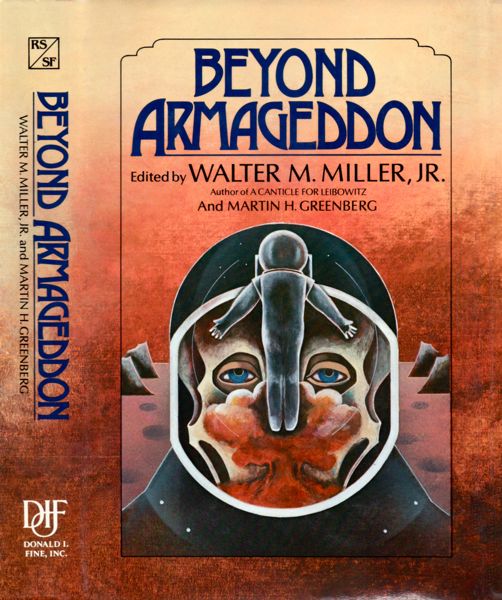
Updates: Recent Science Fiction Acquisitions No. CLXXXII (The Anthology Edition) (Best SF Stories from New Worlds 5, Orbit 6, Alpha 3, Best SF 1972)

Little pleases me more than reading the fascinating cross-section of the genre presented by anthologies from my favorite era of SF (1960s/70s). After the success that was World’s Best Science Fiction: 1967 (variant title: World’s Best Science Fiction: Third Series) (1967), ed. Donald A. Wollheim and Terry Carr, I decided to browse my “to post” pile of recent acquisitions and share a handful with you all. As is often the case, the collections are peppered with stories I’ve already read—I’ve linked the relevant reviews.

Filled with authors I haven’t read yet—Stephen Tall, Robin Scott, Roderick Thorp, Jean Cox, Christopher Finch, etc.

…and of course, many of my favorites including Gene Wolfe, Ursula Le Guin, Barry N. Malzberg, and Kate Wilhelm (among many many others).

Scans are from my collection.

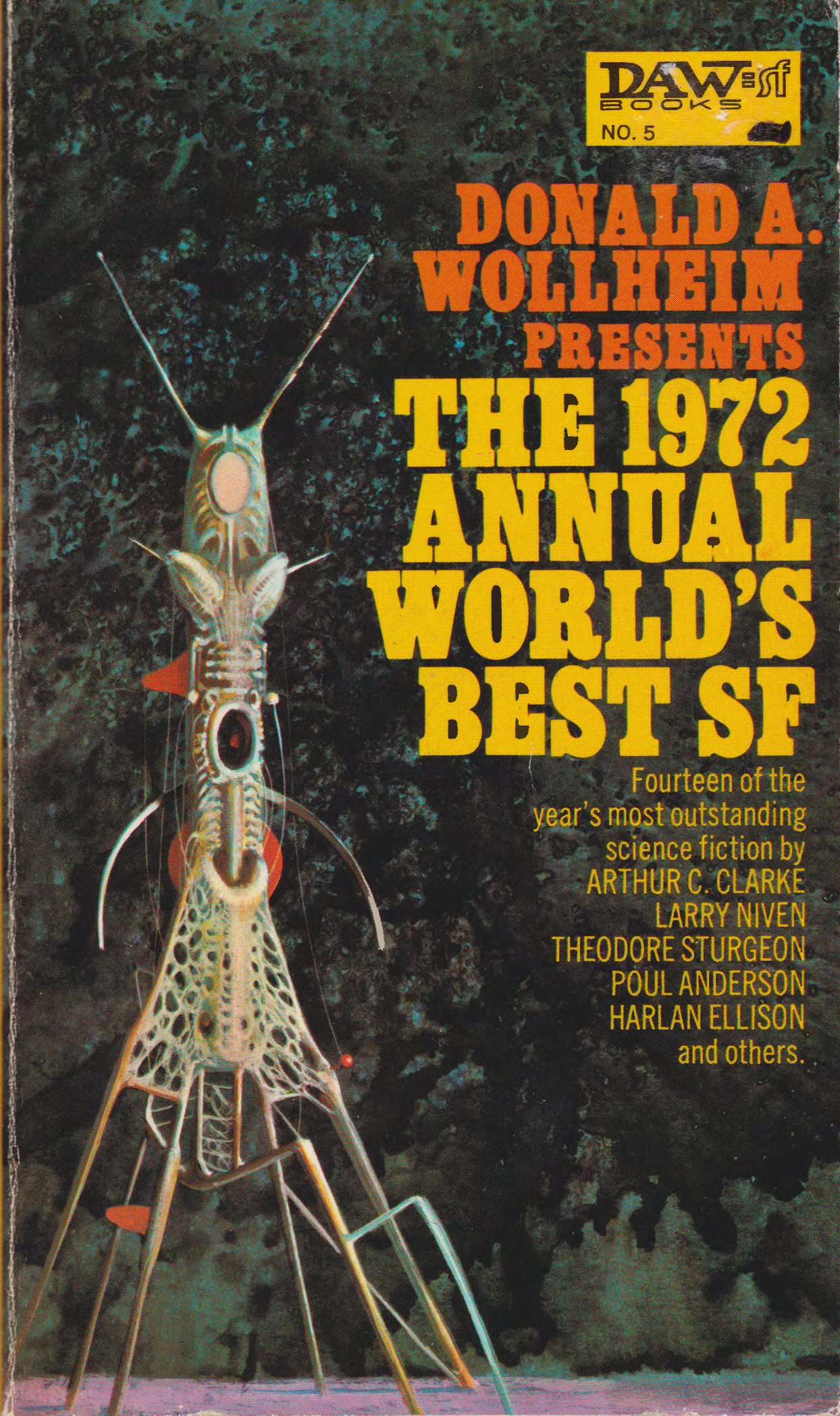
1. The 1972 Annual World’s Best SF, ed. Donald A. Wollheim (1972)

(John Schoenherr’s cover for the 1972 edition) Continue reading

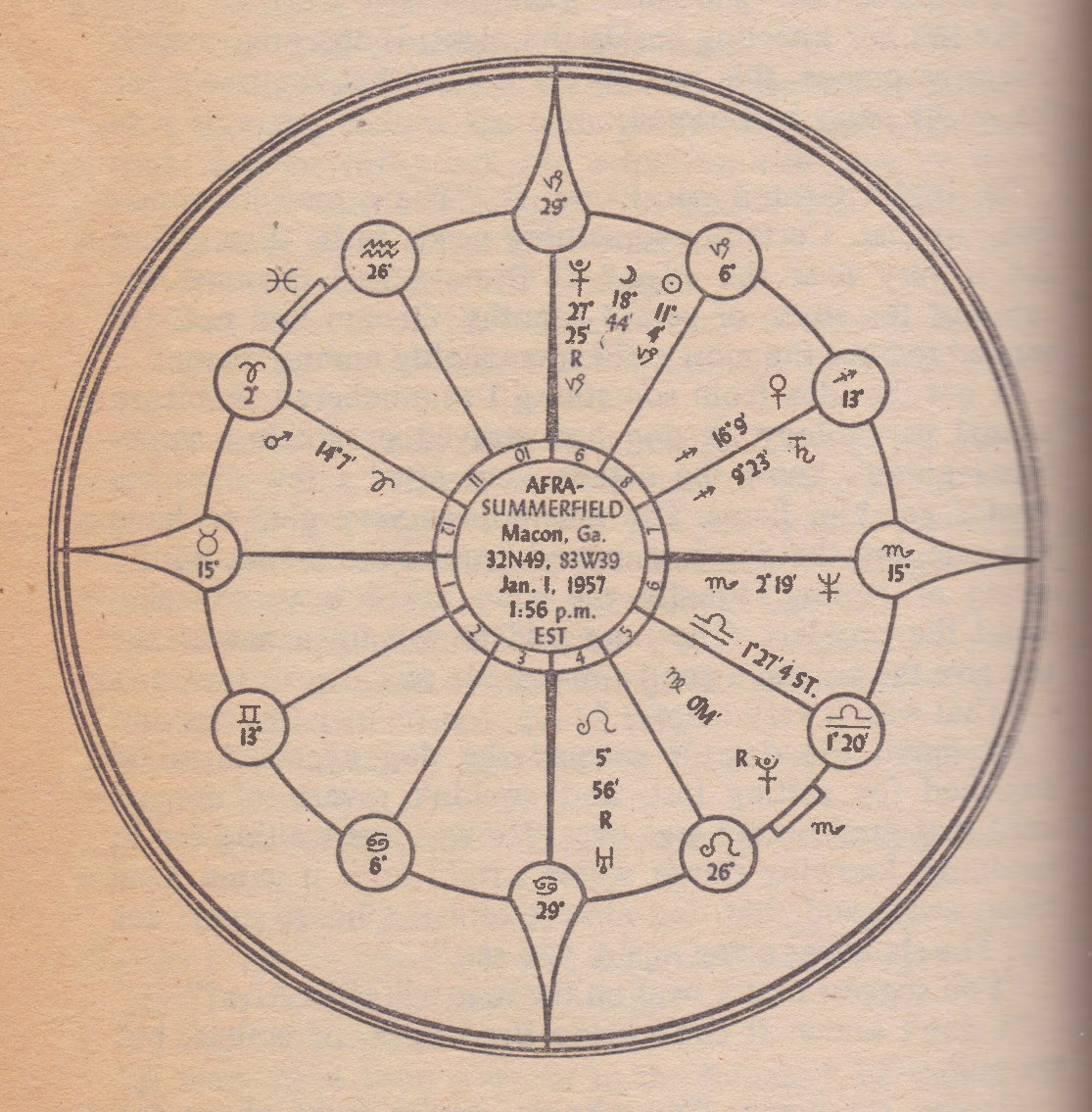
Article: Charts, Diagrams, Forms, and Tables in Science Fiction (John Brunner, Larry Niven, Christopher Priest, John Sladek, et al.)

(From Piers Anthony’s Macroscope (1969), 224)

First we must honor the book sacrificed in the making of this post: the spine of my Picador 1977 edition of Martin Bax’s The Hospital Ship (1976) needs some drastic surgery (glue) after I attempted to scan its dark interior….

As of late I’ve been fascinated by pseudo-knowledge in science fiction and speculative fiction–the scholarly afterward in The Iron Dream (1972), the real medical citations in The Hospital Ship (1976), the invented medical citations in Doctor Rat (1976), and “diagrammatic” SF covers filled with maps or anthropological diagrams.

Whatever form it takes, pseudo-knowledge—perhaps derived from our world or even “real” knowledge in our world modified and inserted into another imaginary one—adds, at the most basic level, a veneer of veracity. The most obvious category, and the one I am least interested in, is scientifically accurate Continue reading

Updates: 2016 in Review (best novels + best short stories + best anthologies + notable posts)

Dear readers, thank you all profusely for your comments, words of thanks, and emails over the year. It is my overarching goal to inspire you all to read more SF from the 50s-70s, dust off the boxes of your parents’ books in some forgotten closet, browse the shelves at your local used book store (or favorite online store), reflect on the often fascinating cover art…

2016 was not the most productive reading/reviewing year as my PhD dissertation defense date rapidly approaches. For the purposes of maintaining my sanity, reading and writing about SF remains my primary relaxation hobby—surprising perhaps as I read a lot of depressing SF that wouldn’t be “relaxing” for most people. According to Megan at From Couch to Moon I like my fiction “moody, broody, meta, and twisted.”

And other than a few satires here and there, my favorite SF reads of 2016 fit firmly within Megan’s descriptors.

Thanks again!

thdrmmllnn1974 czuqgixw0aiddub-1 crrehycuiaassn4

Best novels

  1. The Affirmation, Christopher Priest (1981)
  2. The Infernal Desire Machines of Doctor Hoffman (variant title: The War of Dreams), Angela Carter (1972). Review forthcoming 
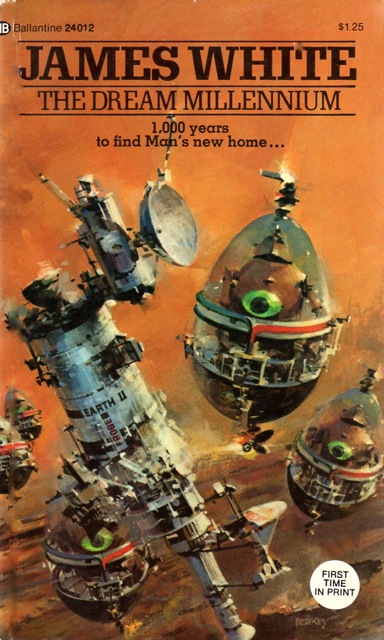
  3. The Dream Millennium, James White (serialized 1973, novel 1974)
  4. The Committed Men, M. John Harrison (1971)

Continue reading

Book Review: The Best SF Stories From New Worlds, ed. Michael Moorcock (1967)

lehr

(Paul Lehr’s cover for the 1968 edition)

4/5 (collated rating: Good)

Fresh off of Langdon Jones’ wonderful New Wave collection The Eye of the Lens (1972) I decided to see if any of my unread anthologies contained his work—queue The Best SF Stories From New Worlds (1967).  Unfortunately, Jones’ contribution is far from the best in this absolutely stellar collection.

This 1967 volume was the first in a series of eight Best Of New Worlds anthologies edited by Michael Moorcock between 1967-1974.  I reviewed The Best SF Stories From New Worlds 3 (1968)—i.e. the one with Pamela Zoline’s must-read “The Heat Death of the Universe” (1967)—a while back.

The takeaway: The majority of stories in are required reading for fans of New Wave SF and New Worlds magazine.  Find a copy of the anthology with its fantastic Paul Lehr cover or track down Continue reading