The sixth in my Kate Wilhelm’s SF Guest Post Series (original announcement and post list) comes via 2theD (twitter) over at Potpourri of Science Fiction Literature and Tongues of Speculation. He is a prolific blogger of vintage, translated, and newer science fiction. Unfortunately, and much to my frustration (he knows!), he is on something of a hiatus (other than short story summaries and ratings). Thus, when I approached him about participating in this series he volunteered one of his older reviews. As I remembered it fondly, I agreed.
Thanks so much for contributing!
~
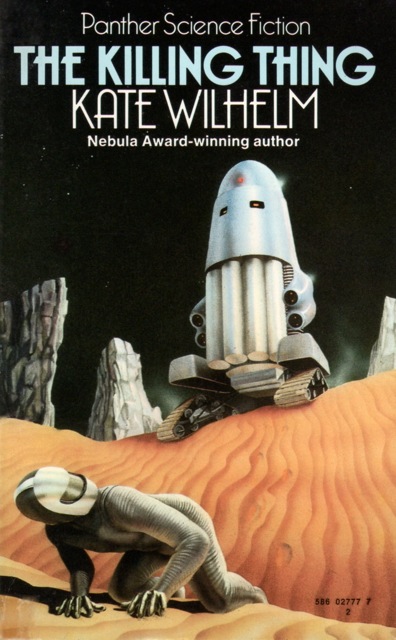
(Patrick Goodfellow’s (?) cover for the 1972 edition)
Kate Wilhelm is among a handful of female science fiction writers who need no introduction. She’s authored scores of short stories, about thirty-six genre novels, and eleven collections. She’s probably more prolific than many common and respectable male authors, yet she receives very little of the limelight that’s due to her (outside of SFMistress’s occasional posting on her work). Of her novels, I read her most popular work Where Late the Sweet Birds Sang (1976) and the much lesser popular Let the Fire Fall (1969), their respective popularity very much reflecting their quality. The two-story collection in Abyss (1971) had some Continue reading




 Science Fiction and Other Suspect Ruminations