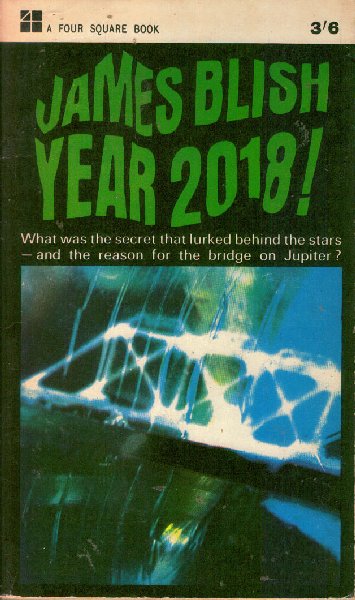
Update: Sci-fi about the social ramifications of overpopulation, a call for suggestions


I need reading suggestions.

After reading John Brunner’s Hugo winning masterpiece Stand on Zanzibar (1968) a few years back I became entranced by science fiction exploring social themes (intelligently) extrapolated from a future Earth condition of extreme overpopulation.  In the recent months I’ve read and reviewed a glut of similarly themed works of uneven quality.  Many of these works were inspired by Paul and Anne Ehrlich’s non-fiction The Population Bomb (1968) which warned of the mass starvation of humans in the 1970s and 1980s as a result of overpopulation. Continue reading →

Update: Recent Science Fiction Acquisitions N. III

1. The Complete Stories of J. G. Ballard, J. G. Ballard (2009)

My girlfriend gave me this MASSIVE (1196 pages) newly released volume of all of Ballard’s short stories  (arranged in chronological order) for my birthday.  I’m extremely excited because I enjoyed my first Ballard work, High-Rise (1975).  Does anyone have a particular story which I should start with? Continue reading →

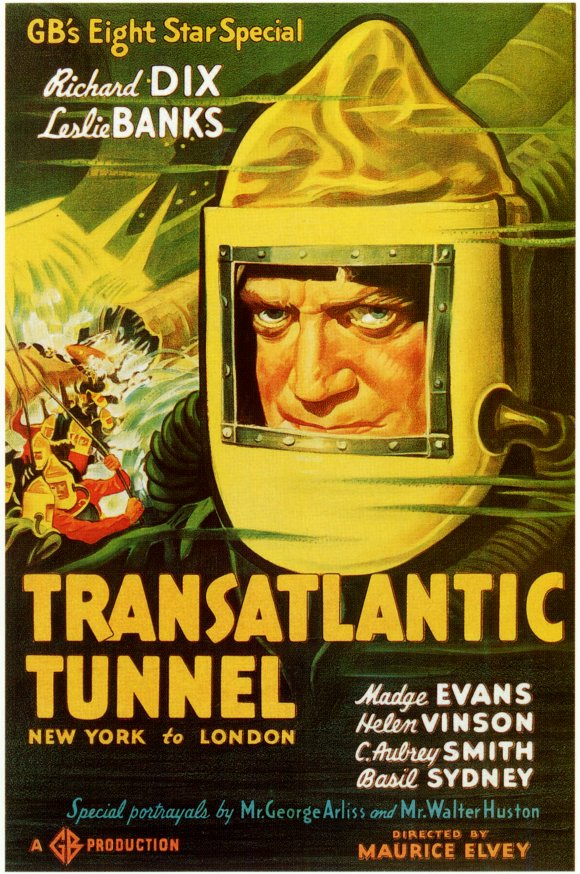
A Film Rumination: Transatlantic Tunnel (variant title: The Tunnel), Maurice Elvey (1935)

6.5/10 (Average)

Maurice Elvey’s Transatlantic Tunnel (1935) inhabits the forlorn ranks of seldom seen early science fiction films.  Is it a masterpiece of the genre?  No.  Is it worth watching for fans of early sci-fi?  Definitely!  The production value is remarkable (which surprised me) and a few scenes remain to this day awe-inspiring Continue reading →

Book Review: Meeting at Infinity, John Brunner (1961)


https://i0.wp.com/www.isfdb.org/wiki/images/3/39/MTNGTNFNTF0000.jpg

A wonderful creepy cover by John Schoenherr

4/5 (Good)

Readers from the first days of my blog might recall my rather dismissive comment in my review of John Brunner’s abysmal Born under Mars (1967),

“I have still yet to find in Brunner’s early pulp(ish) novels any solid indication of his future brilliance that manifests itself so poignantly in his great novels of the late 60s Continue reading →